A
Back to news
October 2026ArchDaily~3 min read
SHIFT 2026 in Matosinhos: Landscape as a Tool for the Socio-Ecological Recomposition of Territories
mass timbersustainable architecturelandscape designurbanismPortugalSHIFT 2026
What is known from the primary source
The fourth edition of SHIFT — International Seminar on Architecture and Sustainability — will take place on October 16–17 in Matosinhos (Portugal). The organizer is Casa da Arquitetura. The program curator is Brazilian architect and urban planner Fernando de Mello Franco.
The theme of this edition is formulated as “Continuities — Socio-ecological recomposition through landscape design” (approximate translation: “Continuities — Socio-ecological recomposition through landscape design”). Within the stated framework, landscape is considered not as a decorative backdrop but as a working tool for transforming territories.
Architects, researchers and specialists from different countries are invited to participate; the subject of discussion is the role of design in the transformation of territories.
Why this matters for the professional agenda
The curator’s formulation shifts the focus from the individual object to the territory and its long-term processes: water, topography, vegetation, soils, infrastructure, settlement patterns. In this perspective, the project ceases to be a final product and becomes a protocol of successive interventions — what international practice describes with the notion of “continuities”: continuity of material, ecological cycles and social practices.
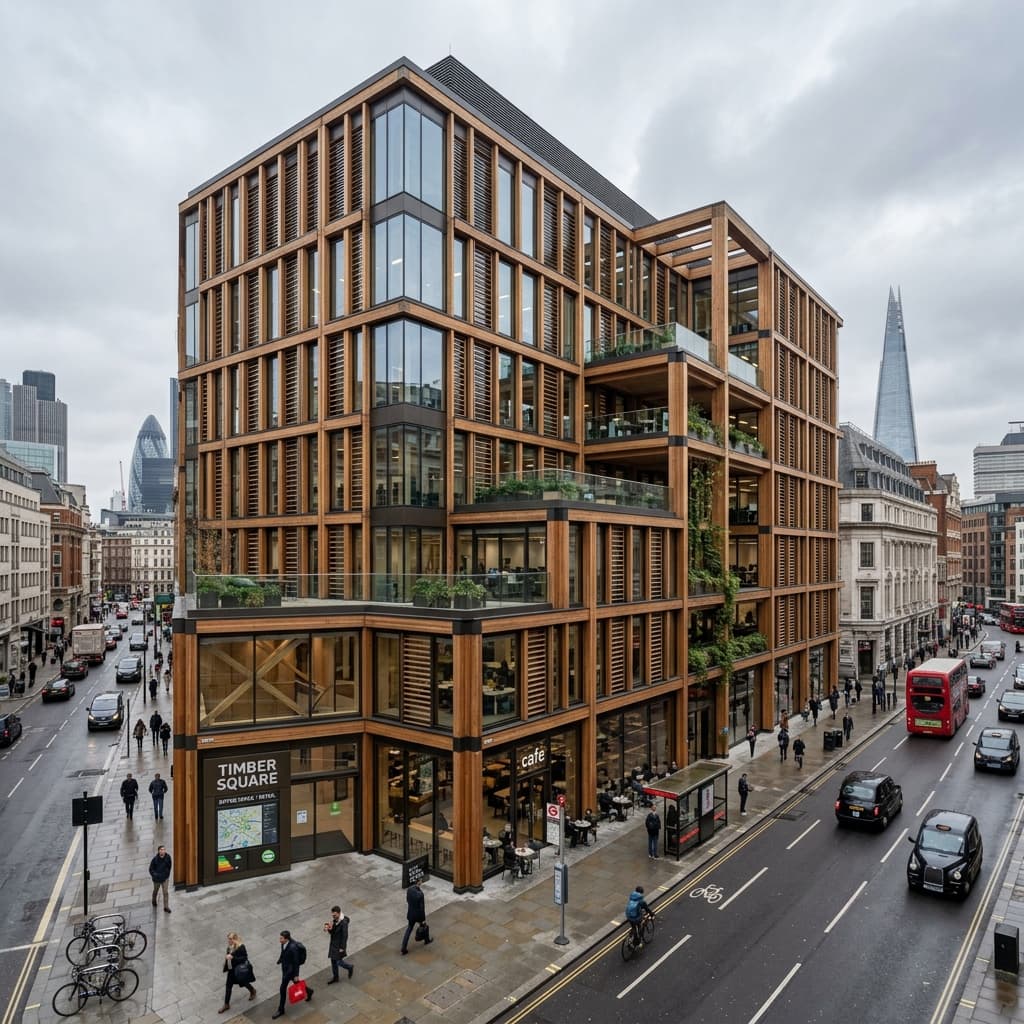
For the mass timber market and modern timber construction, this framework is fundamental. Timber structures are one of the few construction methods directly linking the carbon balance of a territory with architectural form: plantation, logging, CLT/glulam production, assembly and subsequent disassembly form a chain that can be designed as part of the landscape, rather than as a process external to it.
What to watch in the program
* The lineup of speakers and the geography of case studies — the announcement mentions participants from different countries, but specific names and projects are not disclosed in the source. * The format of working with the “territorial” scale: to what extent the presentations go beyond the individual building toward strategies for restoring degraded land, coastal zones and urban peripheries. * The connection between landscape design and engineering solutions — from drainage and slope stabilization to structural systems made from renewable raw materials.
Context worth keeping in mind
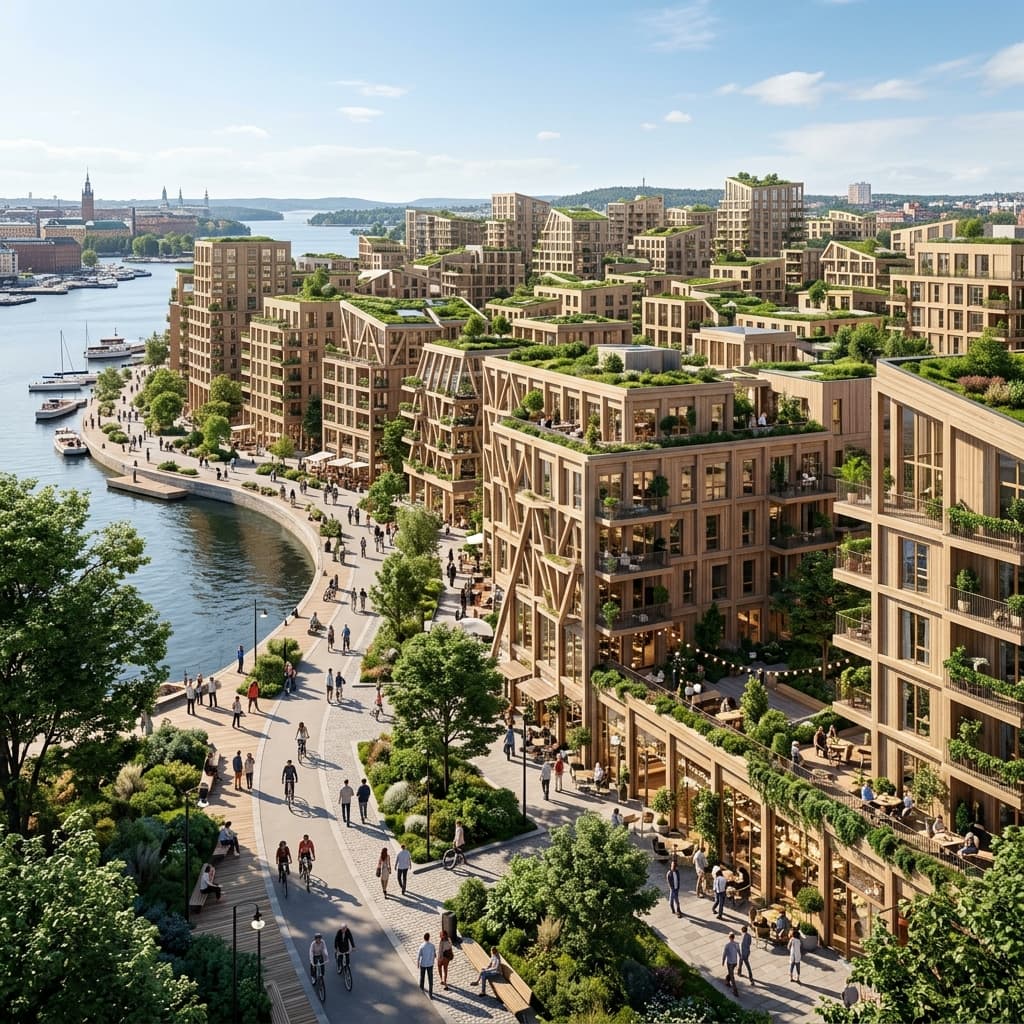
Matosinhos is a coastal city in the Porto metropolitan area with a port and industrial history, and at the same time with access to the Atlantic coast. The venue for the conversation about “socio-ecological recomposition” is not a neutral one: such territories with a legacy of port infrastructure are today becoming a testing ground for regeneration projects, where landscape and timber construction are used as complementary tools. This is professional context, not a detail from the announcement.
Practical conclusions for the industry will emerge after the publication of the seminar program and materials: for now, only the dates, venue, organizer, curator and theme have been confirmed.
Visual
The image is tied to the article topic and stored in the portal's local media library.