A
Back to news
October 2026ArchDaily~2 min read
"A Long View": Bohlin Cywinski Jackson Publishes a Book on 15 Private Houses from 2016–2026
architectureprivate housesBohlin Cywinski Jacksontimber constructionbooks about architectureNorth America
What the project is
ArchDaily has published a feature on the book **"A Long View,"** devoted to the residential architecture of the American firm **Bohlin Cywinski Jackson (BCJ)**. The focus is on fifteen private residences built in the United States and Canada. The selection spans houses completed between **2016 and 2026**.
What the book reveals
According to the source's description, the publication is structured not as a retrospective of "selected works" but as a cross-section of evolution: the geography of the projects expands, and the palette of materials is renewed. Particular emphasis is placed on a new generation of design voices within the firm, who carry forward its commitment to **humane, deeply collaborative architecture**.
Judging by the source's wording, these are private residential projects — that is, a typology in which the response to the site, the climate and the client's individual way of life is especially visible.
Why it matters for the market
For the professional community, such monographs are more than just a portfolio. They are a way of documenting how materials and structural solutions in private house building change over the long haul of a decade, and how a firm hands its methodology down from its founders to the next generation. It is precisely in residential projects that new materials and more complex relationships with the landscape are most often put to the test.
Context (not from the original source)
In North American private-house practice over the past decade, there has been a marked increase in the emphasis on hybrid structures: timber framing and glued laminated beams combined with glass, stone and exposed metal elements, as well as on the widest possible openings and a connection between the interior and the site. Books that gather a single firm's projects over ten years usually become a convenient cross-section of such shifts — but the specific set of solutions in "A Long View" can only be assessed from the publication itself.
Visual
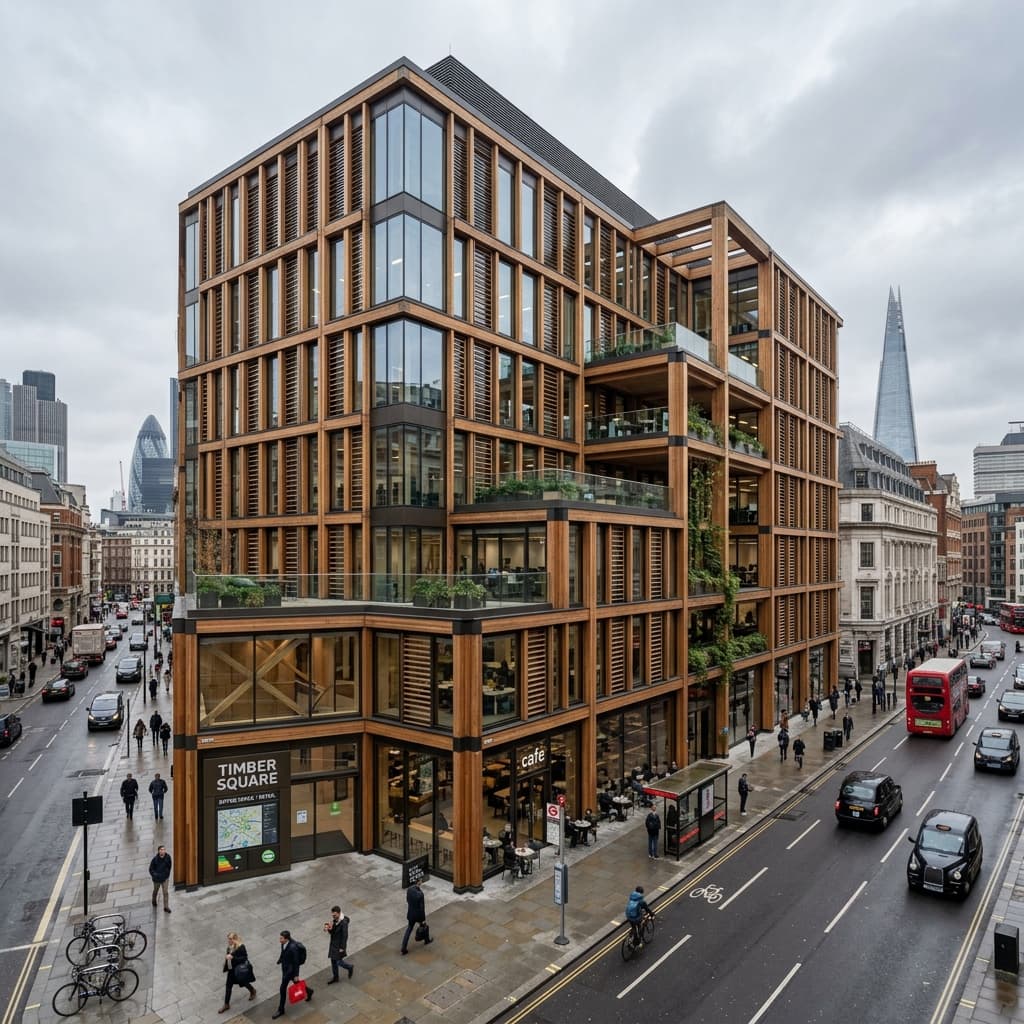
The image is tied to the article topic and stored in the portal's local media library.