A
Back to news
October 2026ArchDaily~4 min read
Renovation of the TAFA District in Tianjin: Mix Architecture Revives a 'Dormant' Old Town Beside the Academy of Fine Arts
renovationadaptive reuseurban regenerationTianjinMix Architectureart district
What we know from the primary source
The Mix Architecture project is a renovation of the core zone of the TAFA district. It concerns the area to the west of the Tianjin Academy of Fine Arts, where a century-old urban fabric survives. According to ArchDaily, after the completion of the Tianjin Eye, cultural and tourist flows along the Haihe River converge at the Sancha Estuary, yet the old town beside it remained for two or three decades a kind of "zone of diminished value" in the very heart of the city — a value depression, in the source's phrasing.
In 2022, the Hebei District administration and the Tianjin Academy of Fine Arts signed an agreement on jointly advancing the development of the campus and the comprehensive improvement of the adjacent area. It was this document that set the institutional framework for the subsequent work on the district.
Urban planning logic
The scenario is typical of Chinese cities, where a major "magnet" attraction (in this case the Tianjin Eye and the Haihe embankment) generates a new flow of visitors but does not convert it into quality in the neighbouring fabric. The gap between the river's tourist frontage and the inner blocks of the old town is an infrastructural gap, not merely an aesthetic one: it calls for connected pedestrian routes, public spaces and a legible ground-floor programme.
The key wager of such projects is the integration of the campus into the city. The academy of fine arts ceases to be a closed perimeter and becomes part of a district-wide programme: studios, exhibition and public functions serve the city's flow of people, not only its students. The TAFA district as an "art block" is an attempt to turn the academy's presence into an urban-planning resource.
Materials and architectural language
The available excerpt of the primary source does not disclose the project's structural and material solutions, so it is appropriate here to outline only the professional context rather than facts.
The renovation of historic fabric in China today is characterised by two approaches: the most restrained possible intervention in the existing walls, with new insertions of steel and glass — or contrasting timber superstructures, canopies and pavilions. Glulam and CLT are particularly convenient in tight urban conditions: they allow structures to be assembled quickly, without heavy machinery, reduce the load on existing foundations and offer a warm material texture that pairs well with the brick and concrete of the old town. For art districts they are also a reputational asset: an honest, "warm" material with a low carbon footprint matches the language of a contemporary cultural institution.
What to look for in the project
- •How the architects resolve the seam between campus and city: whether permeable ground floors, inner courtyards and new pedestrian connections appear.
- •What exactly is preserved and what is replaced: the share of authentic historic substance is the key indicator of a renovation's quality.
- •How the project embeds itself in the flow from the Haihe embankment and the Tianjin Eye: whether a continuous route takes shape or the district remains an island.
- •What public functions the "art block" gains: without them, the renovation risks remaining the academy's departmental territory.
Conclusion
The TAFA district is a telling case of the shift from piecemeal reconstruction to working with a district as a whole, where a government agreement, the academy and an architecture practice act as co-authors. The result is worth judging by how permeable the district's new fabric proves to be for the city, and how carefully it treats the existing built fabric.
Visual
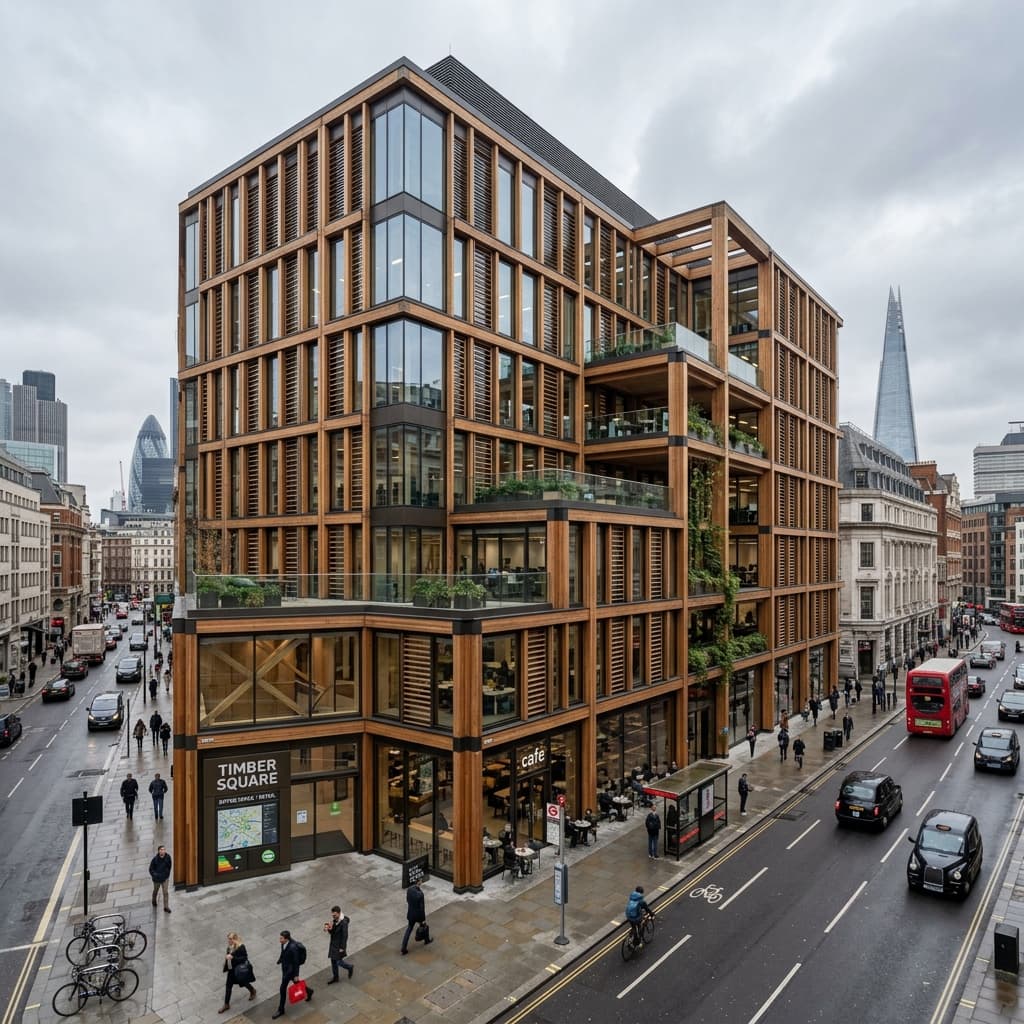
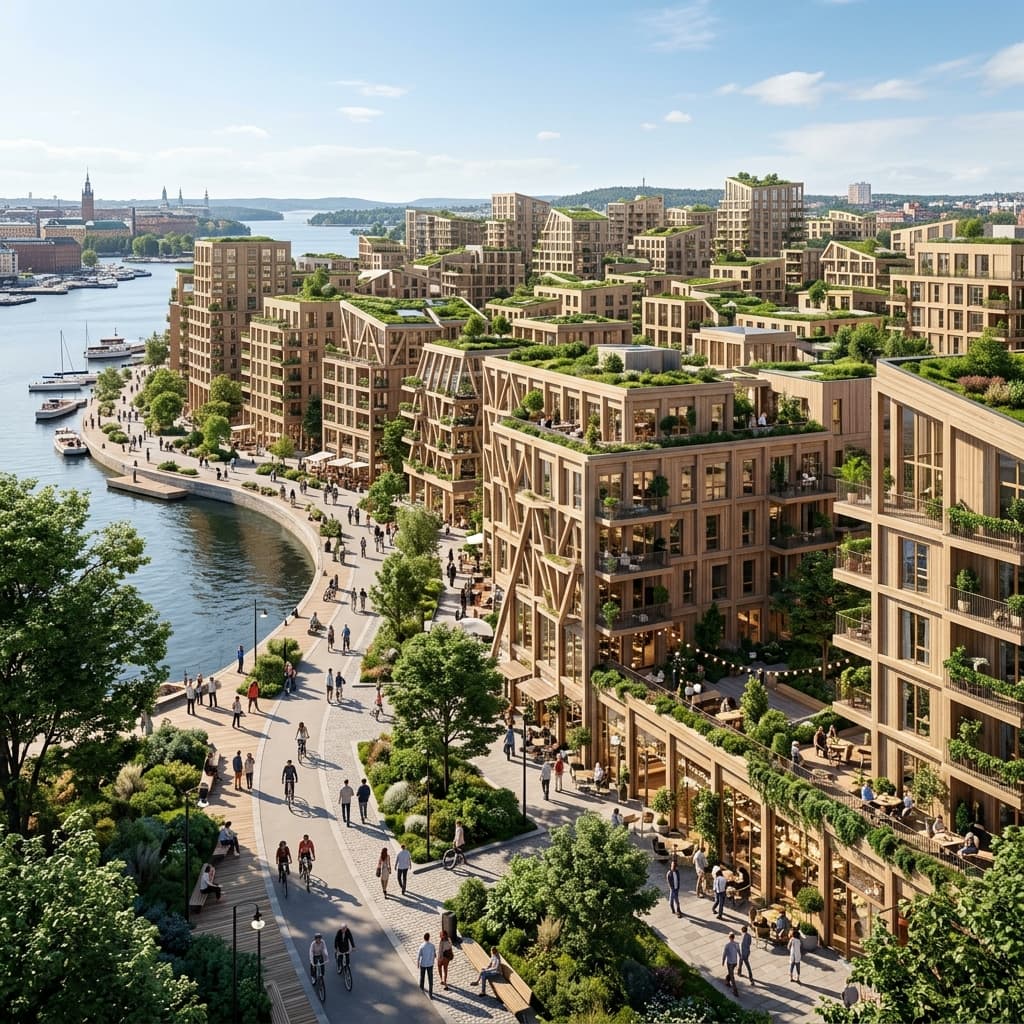
The image is tied to the article topic and stored in the portal's local media library.