A
Back to news
October 2026ArchDaily~2 min read
Architecture Between Land and Water: Bayou Lessons for Sustainable Design
bayousustainable architecturewetlandsmass timberlandscape designArchDaily
What a Bayou Is and Why It Matters for Architects
A bayou is a slow-moving waterway, typically a stream or river that meanders through low-lying flat terrain within a broader wetland landscape. Such systems are common along the Gulf Coast. It is important to distinguish them from swamps—forested wetlands with standing water—and marshes, where tall grasses and herbaceous plants grow on saturated soils.
Bayou currents support biodiversity of plants, trees, insects, birds and fish. Yet changing water levels and saturated soils create challenging conditions for any construction. According to the authors at ArchDaily, these very characteristics should become the starting point for architectural design.
Architectural Lessons
In a professional context, designing in bayou landscapes requires abandoning a strategy of “fighting water” in favor of adapting to its dynamics. Typical techniques include raised foundations, pile foundations, amphibious and floating structures. The key difference, however, is the need to account for the hydrological regime and not disrupt natural currents and the ecosystem.
Landscape design in such conditions tends toward preserving existing vegetation, creating buffer zones, and using permeable surfaces. Materials must withstand humidity and seasonal fluctuations in water levels, while structures should remain repairable and minimally invasive.
Why This Resonates with mass timber
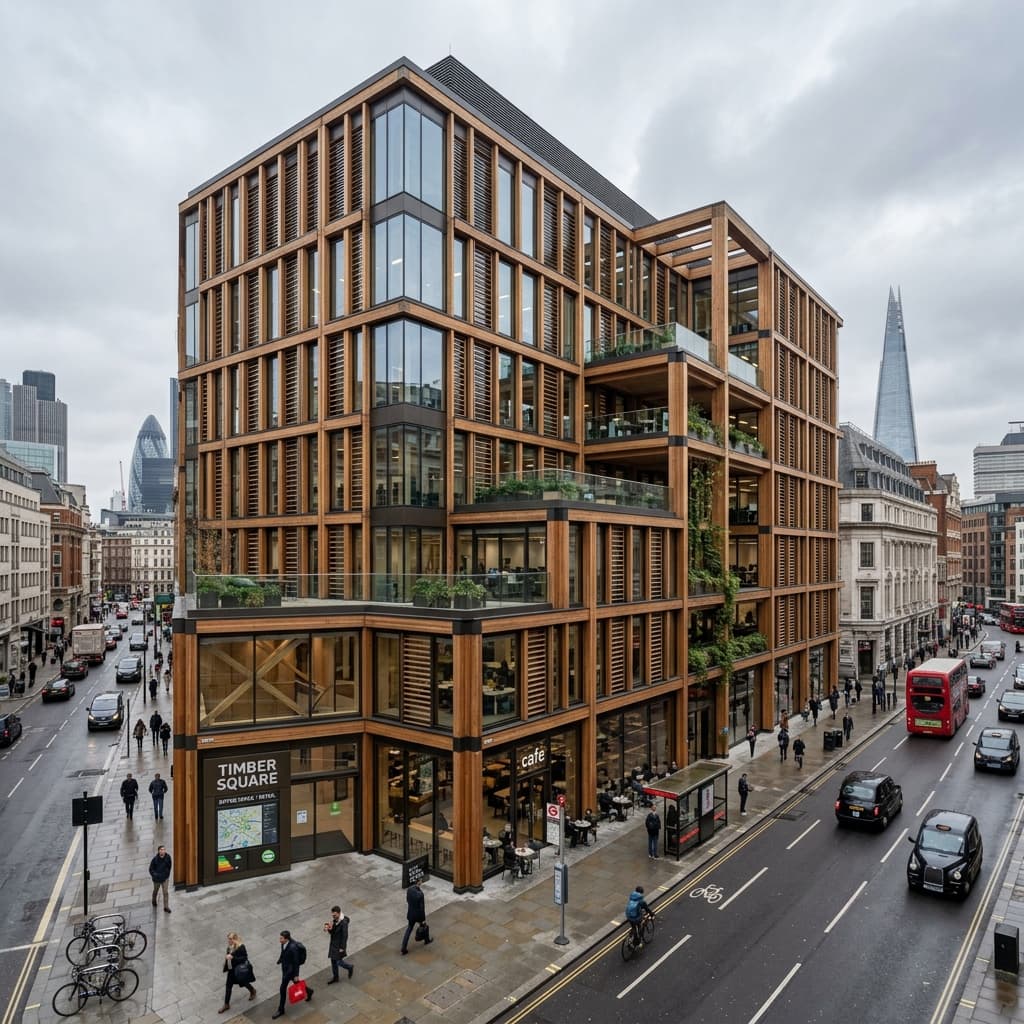
Wooden structures, including mass timber, have a low carbon footprint, but in a humid environment they require thoughtful protection: treatment, ventilation, and elevation above water. In a broader professional context, bayous show that prefabricated modular timber systems can be adapted to seasonal changes in water levels—provided there is careful engineering calculation.
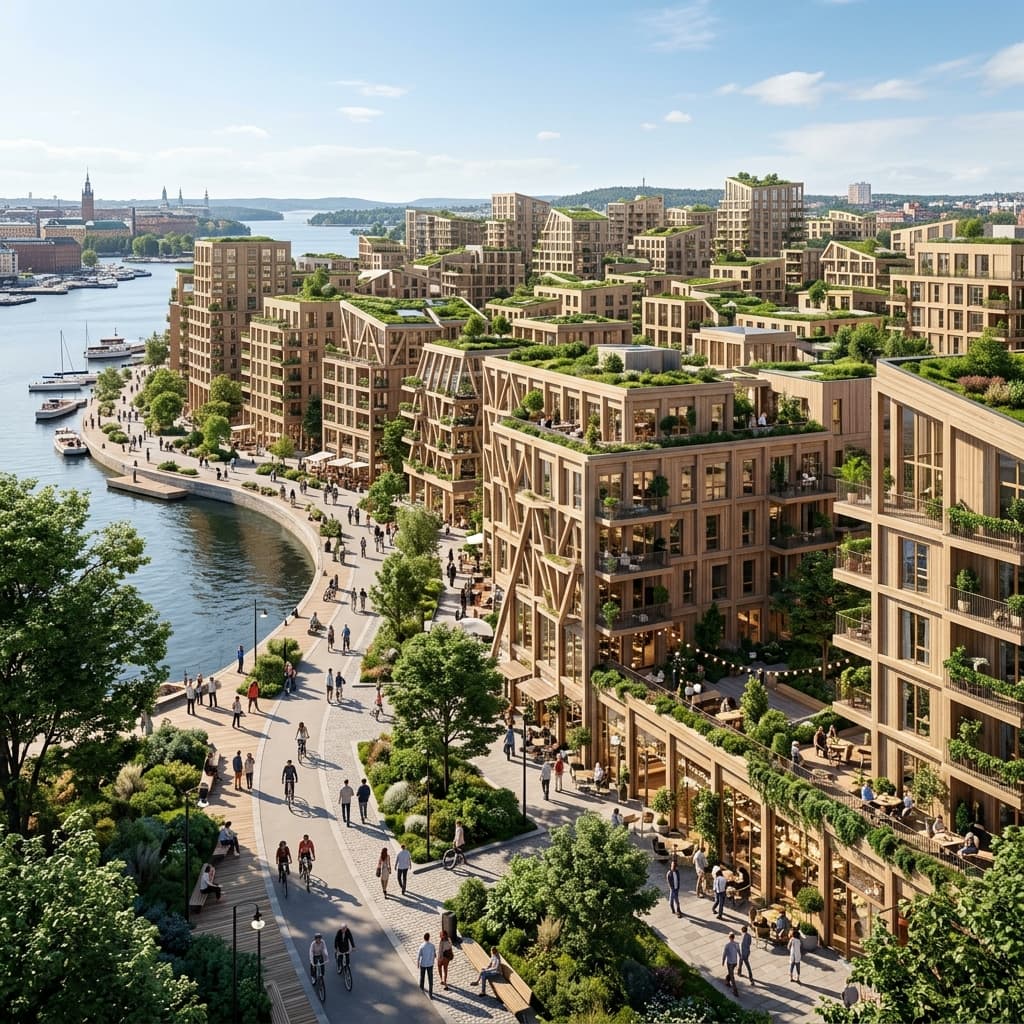
This approach makes it possible to create projects that coexist with water rather than oppose it. Bayou lessons apply not only to the Gulf Coast but also to other floodplain, delta, and coastal areas where maintaining ecological balance is important.
Conclusion
Architecture between land and water requires an interdisciplinary approach: hydrology, ecology, engineering, and architecture. Bayous offer a model of coexistence rather than confrontation, and this principle is becoming increasingly relevant for sustainable design in a changing climate.
Visual
The image is tied to the article topic and stored in the portal's local media library.