A
Back to news
October 2026ArchDaily~3 min read
“Humanist Modernism”: Maciej and Stanisława Nowicki Exhibition Opens in New York
architecture exhibitionmodernismPolandUSANew Yorkarchitectural heritage
What’s Happening
On October 1, the exhibition **Humanist modernity: Maciej and Stanisława Nowicki** opens at the Center for Architecture in New York. The project is dedicated to Stanisława Sandecka-Nowicka and Maciej (Matthew) Nowicki — two significant figures in the history of American and Polish architecture.
According to the source, the exhibition’s title refers to a particular concept — that is, it is not a retrospective “by names,” but an attempt to rethink the very term modernism through a humanistic lens.
Format and Program
The opening is accompanied by two public events:
- •public discussion (public talk);
- •a guided tour of the exhibition with the curator.
Curator — **Kacper Kępiński**, deputy director of NIAiU (National Institute of Architecture and Urban Planning, Poland). The institute’s participation in the project indicates the initiative’s institutional, not merely exhibition, character.
Professional Context
*Below is general context not contained in the original source.*
The figure of Matthew Nowicki is usually considered in connection with two professional traditions: the prewar Polish school and postwar American practice. Such “double” biographies are a characteristic strand of the 20th century, when architects shaped the language of modernism at the intersection of migration, academia, and government commissions.
It is telling that the exhibition is taking place precisely at the Center for Architecture in New York — a venue oriented toward the professional community and public discussion, rather than a museum retrospective. For practicing architects, it is a chance to see how the humanistic framework of modernism can be reread in the context of today’s questions: material, climate, and social responsibility.
Why This Matters Now
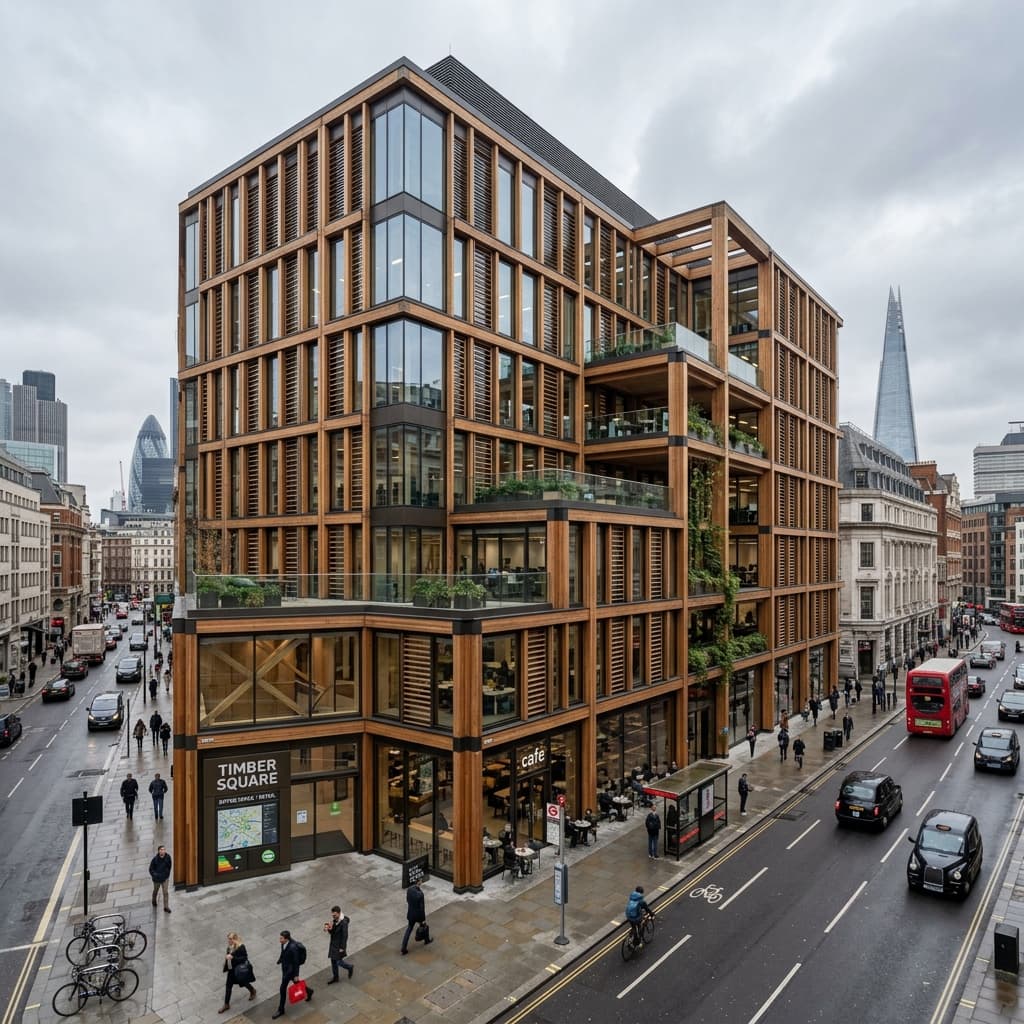
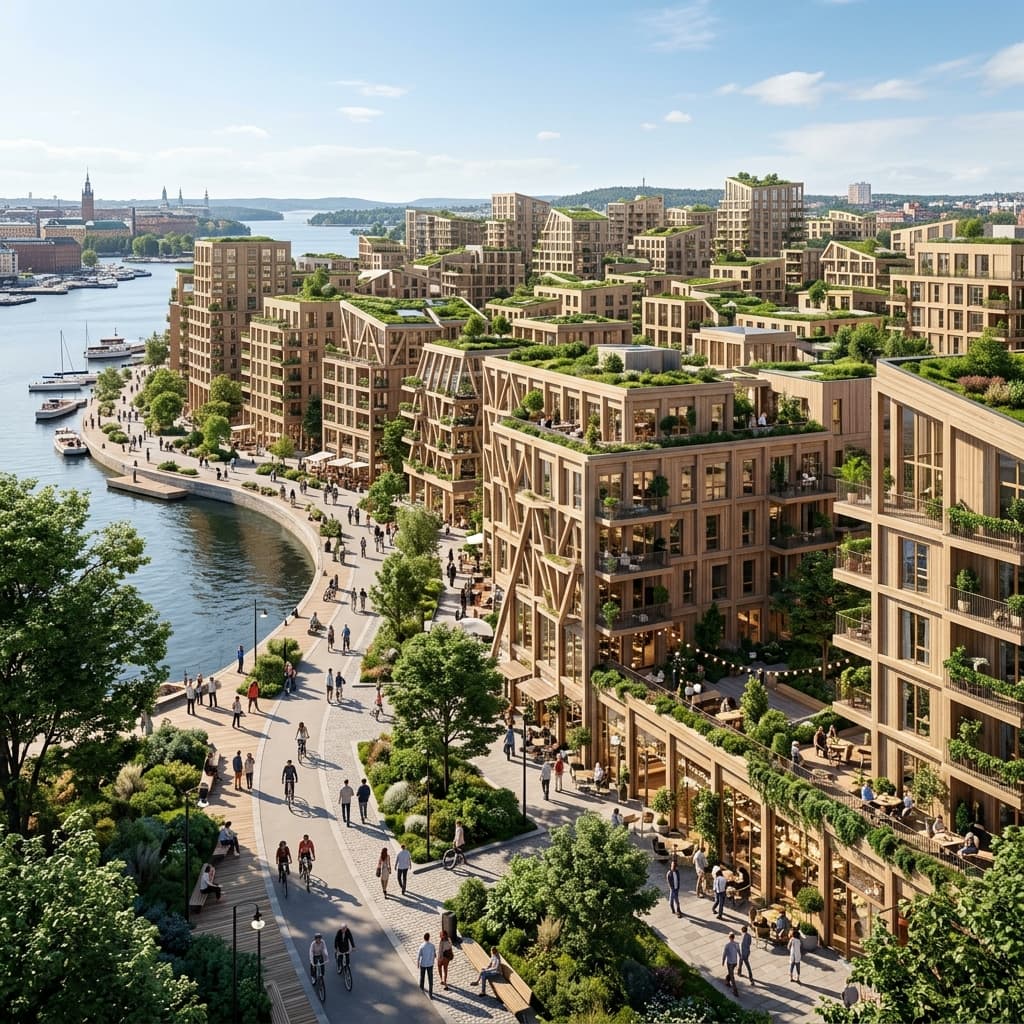
The discussion about “humanist modernism” intersects with the current agenda in wooden construction and mass timber. Contemporary timber architecture inherits the modernist logic of honest construction and clear tectonic expression, but adds carbon and resource arguments to it. The Nowicki exhibition is an occasion to ask once again what exactly from the modernist legacy works today as a design principle, and what has remained a historical document.
Practical Information
- •**Event:** Humanist modernity: Maciej and Stanisława Nowicki
- •**Location:** Center for Architecture, New York
- •**Opening:** October 1
- •**Program:** public discussion and curator-led tour
- •**Curator:** Kacper Kępiński, deputy director of NIAiU
Visual
The image is tied to the article topic and stored in the portal's local media library.