A
Back to news
August 2026ArchDaily~2 min read
Architecture of the Week: Heritage, New Cultural Spaces, and Open Data
architecturerestorationPowerhouse Parramattaopen-sourcemass timbercultural spaces
Architecture as a Dialogue with the Past
The past week in architecture news was defined by reimagining the existing. Restoration and adaptive reuse of buildings took center stage: from the renovation of a historic university hall to the preservation of an artist's exhibition spaces and the integration of reclaimed materials into new structures. Such projects reinforce the trend toward a circular economy, where the value of heritage meets modern engineering solutions.
Powerhouse Parramatta: A New Cultural Landmark
One of the major events was the opening of Powerhouse Parramatta in Australia. This large museum complex demonstrates how contemporary architecture can engage with local context through advanced technologies and materials. Although final details are not yet disclosed, the project has already drawn attention for its role in shaping a new urban identity.
Digital Tools for Architects
Separately, the launch of an open-source application for creating georeferenced reports was discussed. This tool opens new possibilities for urbanists and researchers: they will be able to quickly collect and visualize data on the condition of buildings and public spaces. Such initiatives make architectural analytics more transparent and accessible.
Cultural Context and Timber Construction
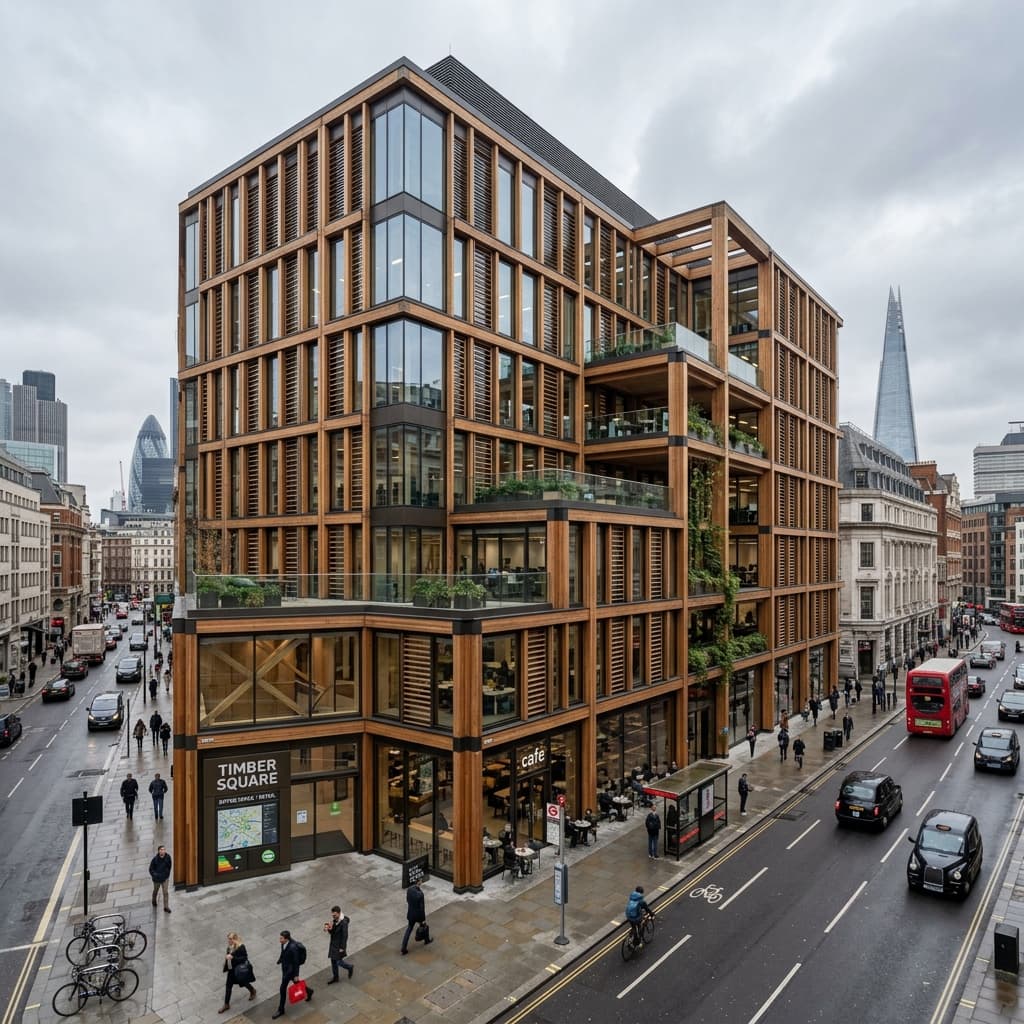
The review also noted that architecture is increasingly becoming both the subject and the setting for exhibitions. Announcements of new museum and cultural venues point to a growing interest in expressive public interiors, where mass timber framing makes it possible to create large column-free spaces. Modern CLT panels and glued laminated timber are becoming not only structural but also aesthetic elements, shaping a warm atmosphere for cultural institutions.
Visual
The image is tied to the article topic and stored in the portal's local media library.